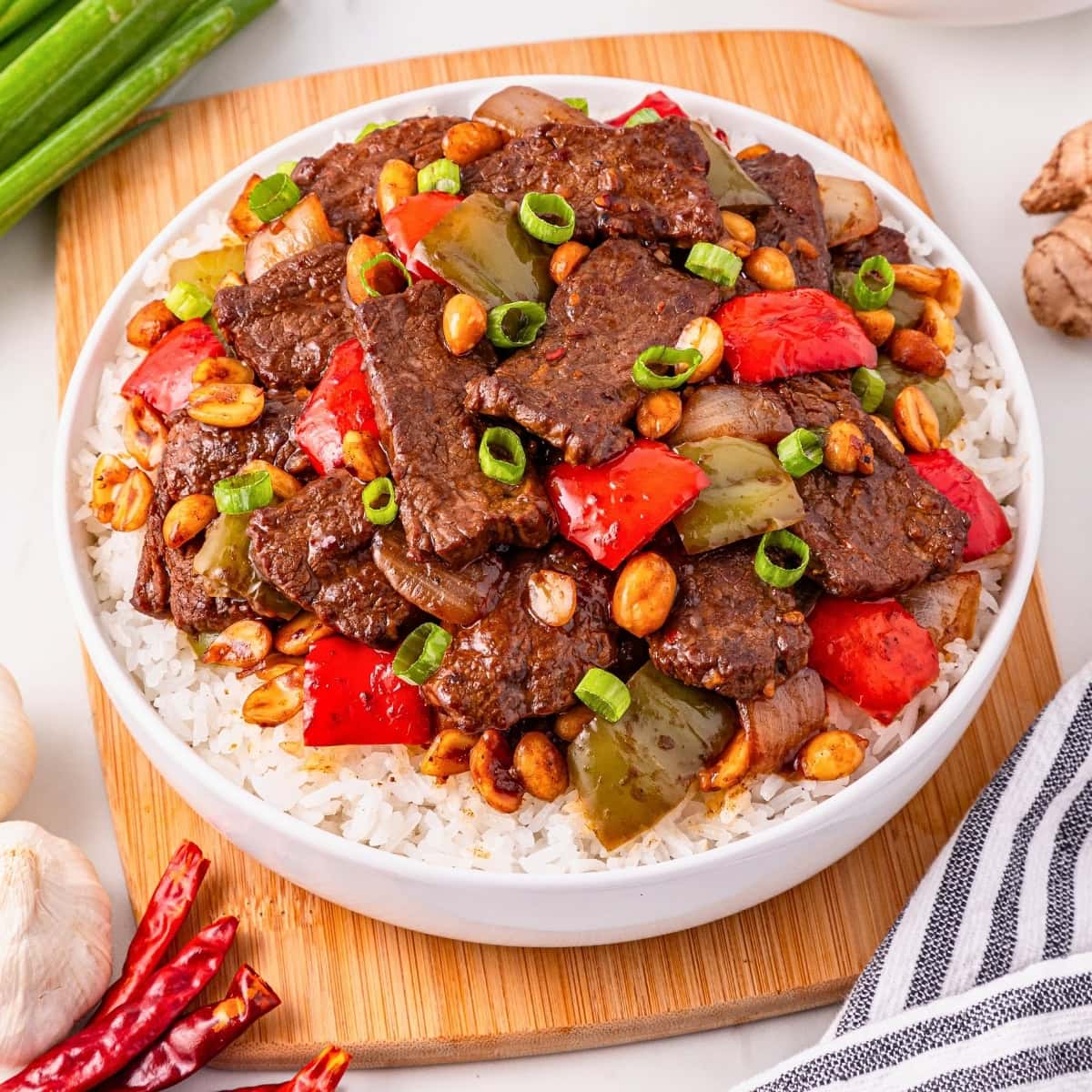
Master Kung Pao Beef: Secrets to Tender Beef & Perfect Sauce
Kung Pao Beef is more than just a dish; it's a culinary journey to the heart of bold, dynamic Chinese flavors, right in your own kitchen. Imagine succulent, velvety beef pieces, perfectly coated in a glossy, savory, sweet, and subtly tangy sauce, punctuated by the irresistible crunch of roasted peanuts and a warming kick from dried chilies. This isn't just a meal; it's an experience that consistently satisfies those takeout cravings, offering a comforting yet exciting balance of textures and tastes. While often relegated to restaurant menus, achieving an exceptional homemade Kung Pao Beef is surprisingly accessible, making it a perfect contender for a satisfying weeknight dinner that rivals, if not surpasses, your favorite local spot.
The magic of
unlocking bold takeout flavor in Kung Pao Beef lies in understanding a few fundamental principles. This comprehensive guide will peel back the layers, revealing the essential techniques and insider tips that guarantee melt-in-your-mouth beef and a perfectly balanced sauce every single time. Forget bland or tough results; we're about to transform your approach to this classic, empowering you to create a dish so good, everyone will be asking for seconds.
The Quest for Tender Beef: Slicing & Velvetizing Secrets
The cornerstone of an outstanding Kung Pao Beef is, undoubtedly, the beef itself. Tough, chewy beef can derail even the most flavorful sauce. Achieving that characteristic tenderness found in high-quality takeout dishes involves a few critical steps, starting long before the beef hits the wok.
- Choosing the Right Cut: Opt for quality, well-marbled cuts like sirloin, flank steak, or even top round. These cuts, while lean, can be incredibly tender when properly handled. Look for good marbling, which indicates intramuscular fat that renders during cooking, adding flavor and moisture.
- Slicing Against the Grain: This is arguably the most crucial step for tenderness. Beef muscles are made of long fibers. Slicing *with* the grain leaves these fibers intact, resulting in a chewy texture. By slicing *against* the grain, you shorten these fibers, making the beef easier to chew and more tender. Always locate the direction of the muscle fibers and slice perpendicularly to them, aiming for thin, uniform pieces – ideally about ¼-inch thick. This ensures even cooking and maximum tenderness.
- The Power of Velvetizing (Cornstarch Magic): Many authentic Chinese stir-fries employ a technique called "velvetizing" or "velveting." While the reference context mentions "cornstarch magic," we can expand on its profound impact. A quick marinade with cornstarch, a dash of soy sauce, and sometimes a tiny pinch of baking soda (a common chef's trick) works wonders.
- Cornstarch: Coats the beef, creating a protective barrier that seals in juices and prevents the meat from drying out during high-heat cooking. It also gives the beef a silky, velvety texture.
- Baking Soda (Optional, but Recommended): A small amount of baking soda (<½ teaspoon per pound of beef) helps to break down muscle fibers, further tenderizing the meat. Be careful not to use too much, as it can impart a soapy taste. Rinse thoroughly if you use a higher quantity and plan to let it sit longer. For quick stir-fries, a little in the marinade is sufficient.
Allow the beef to marinate for at least 15-20 minutes, or up to an hour in the refrigerator, to let these ingredients work their magic.
- Don't Overcook: Even perfectly sliced and velvetized beef can turn tough if overcooked. High heat and quick cooking are key. The goal is a beautiful sear on the outside and tender juiciness within.
Crafting the Perfect Kung Pao Sauce: A Symphony of Flavors
The sauce is the soul of Kung Pao Beef, delivering that iconic balance of sweet, savory, spicy, and tangy notes that make the dish so addictive. What seems like a complex flavor profile is actually a harmonious blend of readily available ingredients, with precise ratios being the secret.
Start by whisking together:
- Soy Sauce (Regular & Dark): Regular soy sauce provides the primary savory, umami base. Dark soy sauce, while less salty, contributes a beautiful, rich reddish-brown color and a deeper, slightly sweeter, and more complex flavor profile. It's essential for that signature takeout look.
- Rice Vinegar: Adds the crucial tang that cuts through the richness, brightening the entire dish. Don't skip it; it's vital for balance.
- Hoisin Sauce: Brings a sweet, savory, and slightly smoky depth. It's a key ingredient for complexity and a hint of authentic Chinese flavor.
- Sugar: Balances the saltiness and acidity, contributing to the sweet aspect of the dish. Adjust to your preference.
- Water or Chicken Broth: Thins the sauce to the right consistency and helps it spread evenly. Broth adds an extra layer of savory depth.
- Cornstarch: The thickening agent that transforms the liquid into a glossy, clingy sauce. It's what gives Kung Pao its luxurious texture. Ensure it's fully dissolved before adding to the hot wok to prevent lumps.
Pro Tip: Always prepare your sauce in advance and set it aside. This prevents frantic scrambling when the wok is screaming hot, ensuring a smooth, uninterrupted cooking process. Give it a quick whisk right before adding to the pan, as cornstarch can settle.
Mastering the Stir-Fry: Technique, Timing, and Texture
The success of your Kung Pao Beef hinges on proper stir-frying technique, particularly heat control and timing. A wok or a large, heavy-bottomed skillet is ideal.
- Preheat the Wok to Smoking Hot: This is non-negotiable for a true stir-fry. Add a tablespoon of high smoke-point oil (like peanut, grapeseed, or canola) and heat it until it just begins to smoke. This intense heat is crucial for achieving a beautiful sear on the beef and preventing it from steaming.
- Sear the Beef (Don't Overcrowd!): Add the marinated beef in a single layer. Crucially, do not stir for about 60-90 seconds. This allows the beef to develop a rich, flavorful crust, known as the Maillard reaction. Overcrowding the pan will drop the temperature, leading to steamed, gray beef instead of seared. Cook in batches if necessary. After the initial sear, toss and cook for another 1-2 minutes until the beef is mostly cooked through, then remove it from the pan to a separate plate to prevent overcooking. Any accumulated juices should be reserved.
- Bloom Aromatics & Chilies: Add a bit more oil if needed. First, add the dried red chilies. Toast them briefly for 15-30 seconds until fragrant but *not burnt*. Burnt chilies taste bitter. Immediately follow with minced ginger and garlic. Stir-fry for another 30 seconds until fragrant.
- Add Vegetables: Toss in sliced onions and bell peppers (red or green for color and crunch). Stir-fry for 2-3 minutes until they are crisp-tender, retaining a slight bite.
- Bring It All Together: Return the seared beef and any reserved juices to the pan with the vegetables. Give your pre-mixed sauce a final whisk and pour it over the ingredients. Immediately add the roasted, unsalted peanuts.
- Thicken the Sauce & Finish: Stir-fry continuously for 1-2 minutes over high heat. The cornstarch in the sauce will activate, transforming it from a thin liquid into a glossy, luscious coating that clings to every piece of beef and vegetable. Keep the heat high but controlled to prevent the sauce from burning. Once the sauce is thick and glossy, remove from heat.
Timing and heat control are paramount. The entire stir-frying process, from beef to finished dish, should be incredibly quick – often less than 10 minutes once your prep is done. This rapid cooking ensures maximum flavor, texture, and tenderness.
Key Ingredients & Their Impact
Beyond the beef and sauce base, several other ingredients contribute significantly to the authentic Kung Pao experience:
- Dried Red Chilies: These are not just for heat; they provide a smoky, subtly fruity aroma and a foundational spice profile. Adjust the quantity to your preferred level of spiciness. For an extra layer of authentic complexity, a few whole Sichuan peppercorns (toasted briefly with the chilies) can add that characteristic numbing "mala" sensation.
- Fresh Ginger and Garlic: Minced finely, these aromatics are non-negotiable. They build a pungent, fragrant foundation that permeates the entire dish, providing depth and brightness.
- Roasted, Unsalted Peanuts: Essential for texture! Their earthy crunch and nutty flavor provide a wonderful contrast to the tender beef and slick sauce. Using unsalted allows you to control the overall saltiness of the dish.
- Green Onions: A final flourish, chopped green onions add a burst of fresh color and a mild, sharp onion bite that beautifully cuts through the richness of the sauce. Sprinkle generously just before serving.
Beyond the Basics: Elevating Your Kung Pao Experience
Now that you've mastered the fundamentals, consider these tips to truly make your Kung Pao Beef shine:
- The Wok Hei Factor: The "breath of the wok," or wok hei, is that elusive smoky, charred aroma unique to high-heat stir-frying. While hard to fully replicate on home stovetops without commercial burners, heating your pan until it smokes before adding oil, and cooking in small batches to maintain high heat, gets you closer to this sought-after characteristic.
- Customizing Your Heat: Don't be afraid to adjust the chili count. For a milder dish, use fewer chilies or even remove the seeds. For a fiery kick, add more, or even a dash of chili oil at the end.
- Serving Suggestions: Kung Pao Beef is traditionally served immediately over steaming hot white rice, allowing the glossy sauce to mingle with the grains. It also pairs wonderfully with lo mein noodles or a side of steamed vegetables like broccoli or bok choy. For more ideas on quick weeknight meals, check out our guide on Faster Than Takeout: Your Best Weeknight Kung Pao Beef.
- Ingredient Prep is Key: In stir-frying, *mise en place* (everything in its place) is paramount. Have all your ingredients sliced, minced, and measured before you even turn on the stove. The cooking process moves so quickly that there's no time to chop once the pan is hot.
Mastering Kung Pao Beef is an incredibly rewarding culinary endeavor. By focusing on tender beef through correct slicing and velvetizing, perfecting a balanced, glossy sauce, and executing with precise stir-frying techniques, you'll consistently create a dish that's rich in flavor, delightful in texture, and deeply satisfying. This isn't just a recipe; it's a skillset that unlocks a world of delicious possibilities. So, gather your ingredients, fire up your wok, and prepare to impress yourself and everyone at your table with this truly authentic and irresistible homemade Kung Pao Beef.